
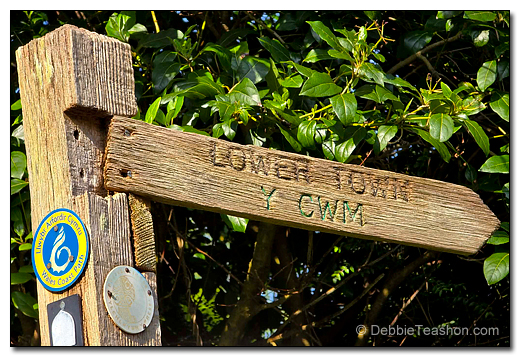
On my first night in Lower Town in Fishguard, Wales, I slept like I had not a care in the world, and you know what? I left a lot of worries at the airport. I decided that when I returned, I would deal with them later. For now, I had a month’s reprieve and a mission to live in each moment while abroad.
Even while I slept alone in a strange house, located in a strange country, I felt like I belonged. How strange is that?
It’s hard to imagine this tranquil coastal town had a history of attacks, with cannonballs flying about back in the day, hitting churches and homes, and the last French invasion; perhaps I shouldn’t have felt so cozy.
Yet the Welsh took care of their problems. In 1779, the Welsh refused to pay a sizeable ransom of £1,000 to Boston-born Stephen Manhant, who, with his ship, Black Prince, flying under the French flag, had destroyed more than 30 British Ships and had taken prisoners he planned to exchange for American prisoners. Some believe Benjamin Franklin, based in France at the time, ordered it as part of an attack on Britain to help the Americans gain independence.
Manhant wasn’t happy about their refusal to pay, so he attacked Fishguard with his ship, the Black Prince, and damaged houses and St. Mary’s Church. A nearby local ship, thought to be owned by a smuggler, returned fire. And when coupled with cannon fire from the town, Manhunt turned tail and sailed away.
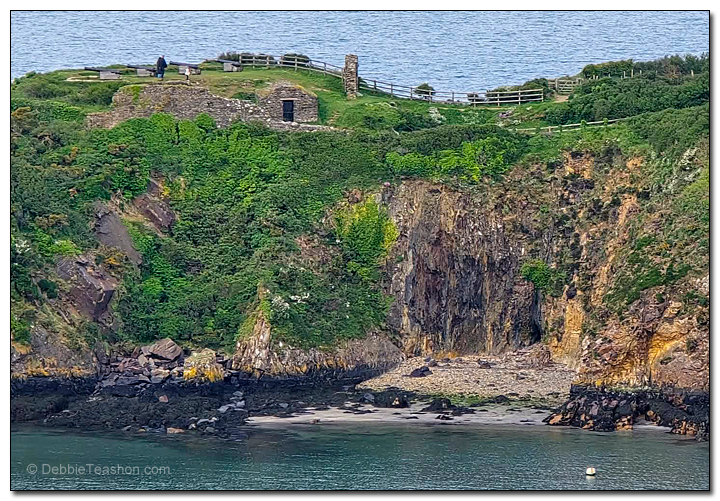
Three years after the attack, the town built Fishguard Fort on the north hill overlooking the harbour. Although I didn’t visit, the fort’s remains are still there. I viewed it from the south hill on the other side of the harbour.
I didn’t plan to write about the place’s history in my blog, although I was researching earlier eras for my novel. But when I’m sleeping in a neighborhood that’s rich in history, how can I not write about it?
There’s more! The last French forces tried to invade Britain at Fishguard in 1797 and got a taste of the Welsh residents’ cleverness.
A good stock of ammunition was hard to come by at the time, so the gunners at the fort fired blanks at first to conserve their small stock. The noise convinced the French to land at Llanwnda, quite away from the harbour. (More on that later with what I found out in town.)
I had to talk about this as I found cannons all over Fishguard. Where I live, we have Fort Casey on Whidbey Island, Fort Warden near Port Townsend, and Fort Flagler on Marrowstone Island in Washington State. Thankfully, the three forts were never used to defend Puget Sound.
Seeing the guns on public display in Fishguard as defenses for the small Welsh town was intriguing. Especially when Americans played a role in this story, and the Welsh had to use them for defense. A good reminder that every war has two sides with different stories to tell.
The fort was used until the early 19th century, then left as a reminder. However, when World War II broke out, the fort became a lookout point, with searchlights to shine on Germans attempting to lay mines in the harbour using seaplanes. Women may have played a role here by manning (womanning?) the searchlights.
I regret not having time to visit and walk around the fort. I saw it from a distance on the other side of the harbour. It’s part of the Pembrokeshire Coast Path trail.
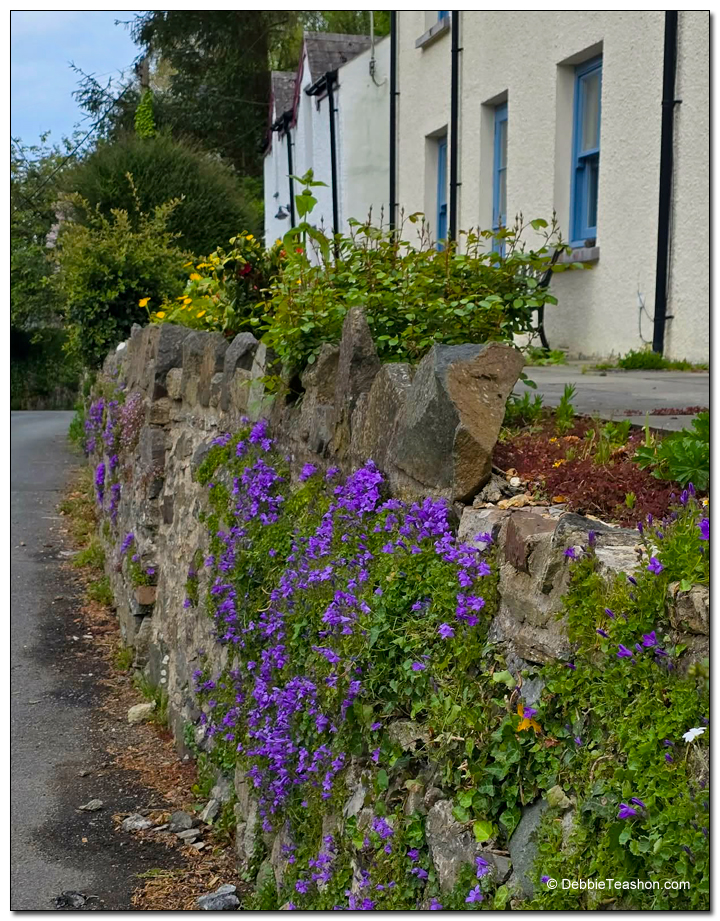
Every day I was there, I walked past a cannonball cemented into one of the rock walls. I never saw it. I learned about it recently while fact-checking for something else. When I photographed the stone memorial to someone’s pet (in my post Abergwaun or Fishguard), I had my back to it. I photographed flowers in the wall on either side of where it sat. The cannonball was found in the same garden and became a part of the wall. It is thought to have originally come from the ship, Black Prince, used when Manhant fired on the town. How cool would it be to find a few-centuries-old cannonball in your garden?
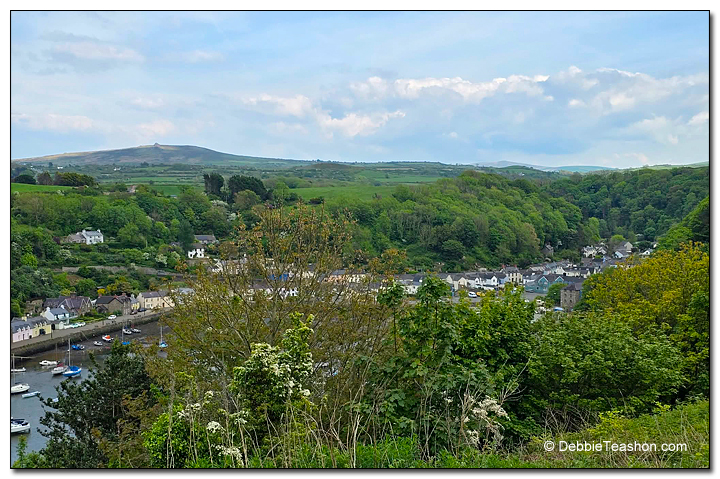
Let’s get back to the present year. The house I rented sits at the back end of the neighborhood, on a dead-end street, in a pretty valley that the River Gwaun runs through. I loved the privacy. When I woke up, the morning stayed quiet as I relaxed, sipped tea, ate breakfast, and planned my day.
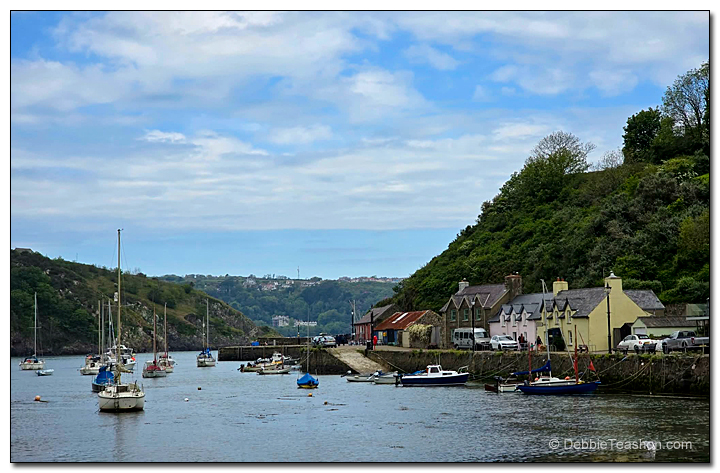
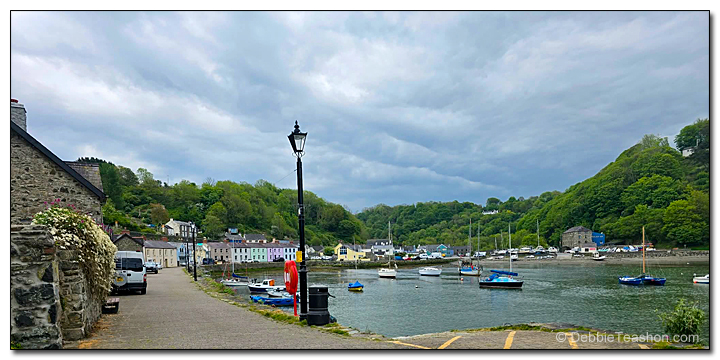
The itinerary for the first day: exploring Lower Fishguard. Since the harbour was close by and the neighborhood sits at sea level, I knew my walk would be easy and relaxed. I looked forward to seeing blooming flowers, boats in the harbour, and the charming row houses just beyond my street. I also wanted to grab a chai latte and lunch at the Yacht Club Cafe.
So stroll I did. I photographed more plants as I walked the neighborhood. I showcased some of them in my last post, rather than sorting them out by day.
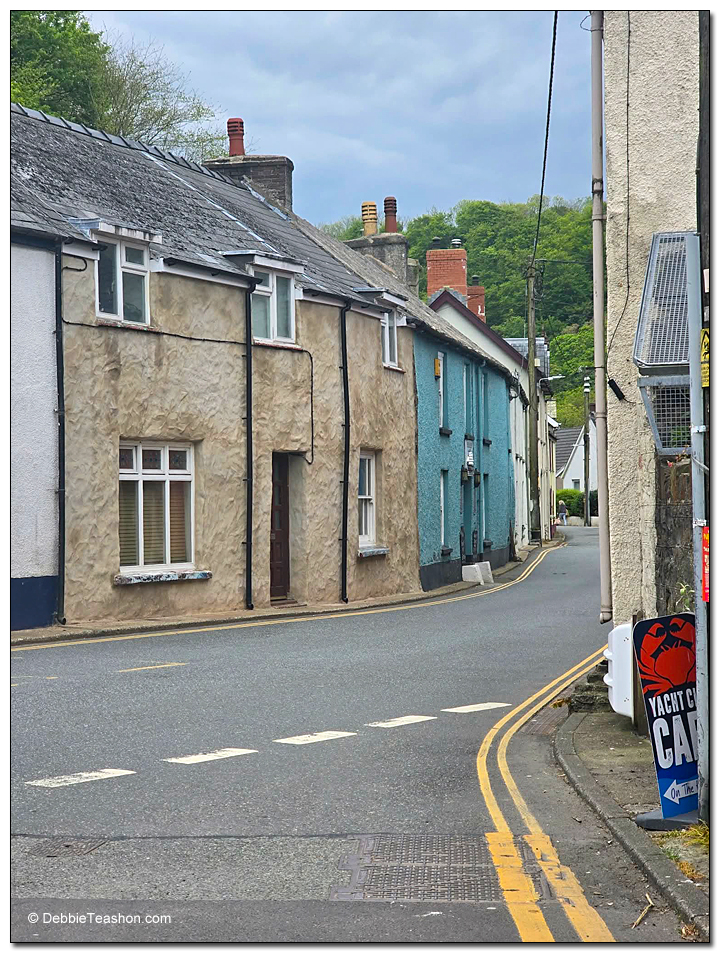
The Ship Inn is the blue building
When the quiet neighborhood street met the busier, narrow Newport Road, I started to feel nervous. I remembered from the day before just how tight that section of road is. It’s so narrow that a two-way street becomes a single lane, and cars have to take turns passing through. The row houses are right up against the street, with only narrow sidewalks between them and the traffic. Living here means you’re just a couple of steps from your front door to the road.
As a timid pedestrian walking on a narrow road, I kept reminding myself that the traffic flowed on the opposite side from what I was used to. Walk facing traffic. I remember that slogan drilled into us at a young age. Except in this section, sometimes you faced the traffic; then, when the cars in the opposite direction had their turn, your back was to them. Disconcerting was a word that came up a couple of days later and perfectly described how I felt as I hurried to a safer stretch of road.
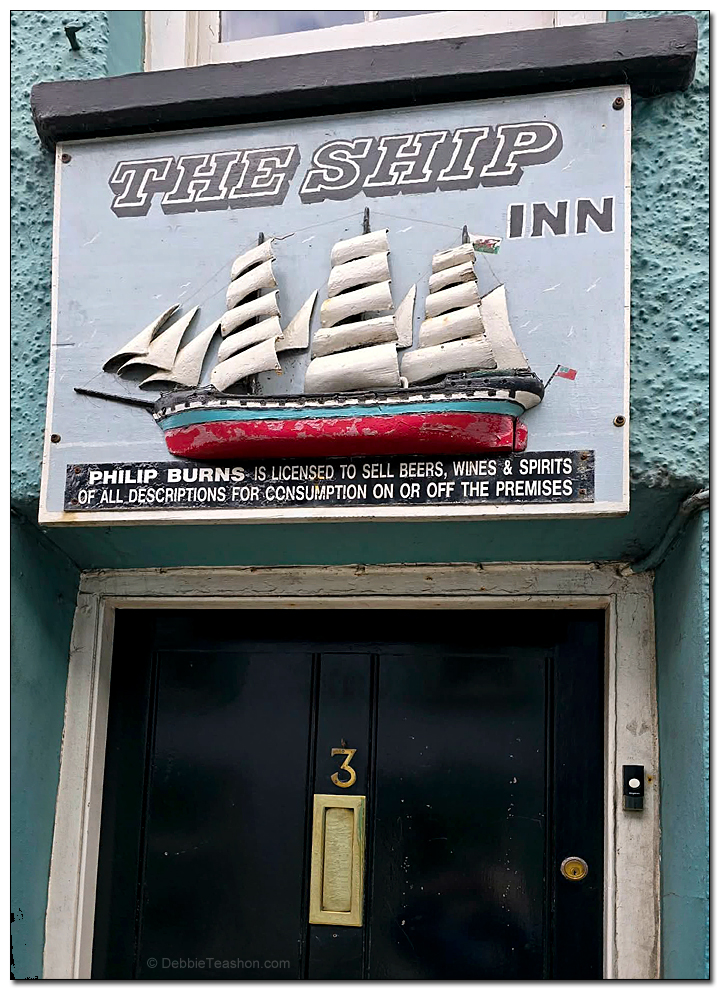
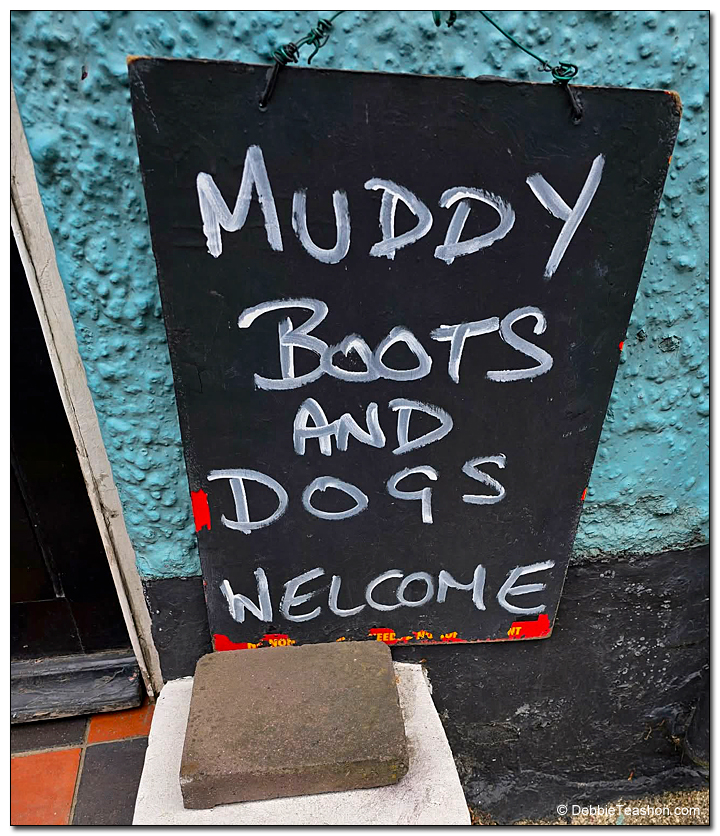
That brings me to The Ship Inn, which dates back to the 1780s. Remember my nervous walk down the narrow part of Newport Road? The pub is located on that stretch. During my stay, once people learned I was down in Lower Town, several recommended the pub. To my regret, I never went. It’s a traditional fisherman’s pub. On my return trip to Wales, I’m definitely going to put this place on my itinerary.
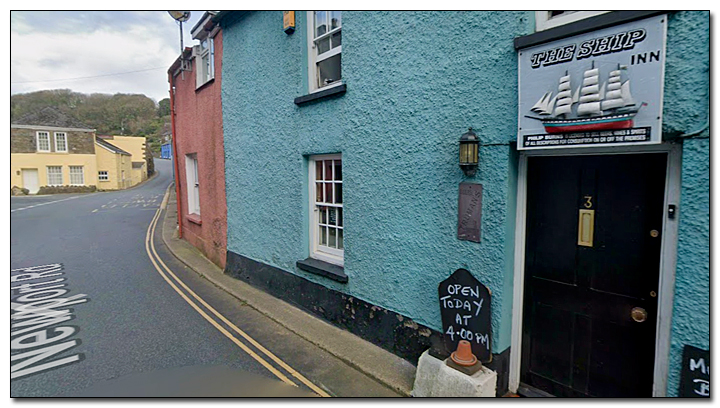
Meanwhile, back at The Ship Inn, I have to confess that while I mused earlier about stepping out of your home and onto the street, stepping out of this pub while inebriated could be risky. One step, two step, three step, splat, if a car was coming.
Maybe I worry too much about people being hit by cars. When I was a kid, I saw my brother get hit by a car and thrown through the air, so those memories stick with me, even while traveling abroad. Thankfully, he survived, and I didn’t end up as a splat on the pavement in Abergwaun.
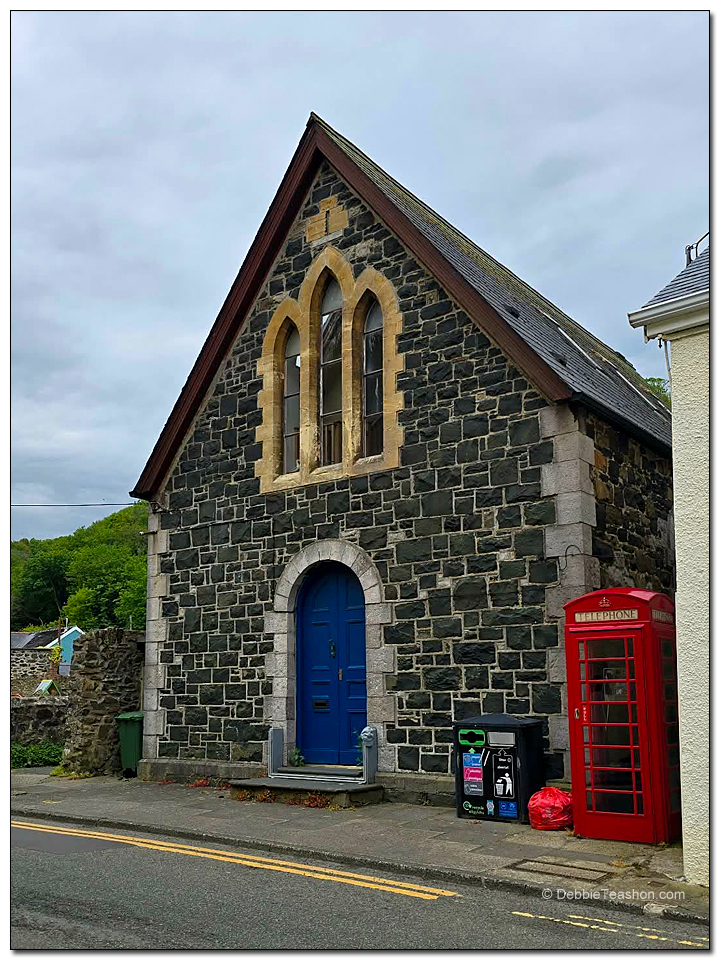
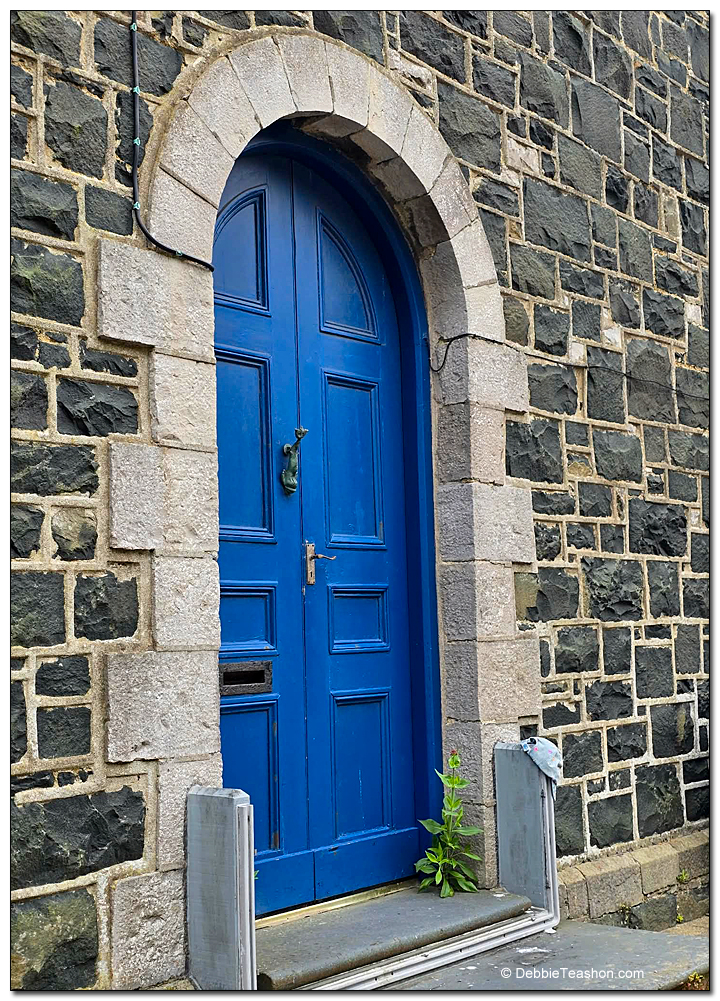
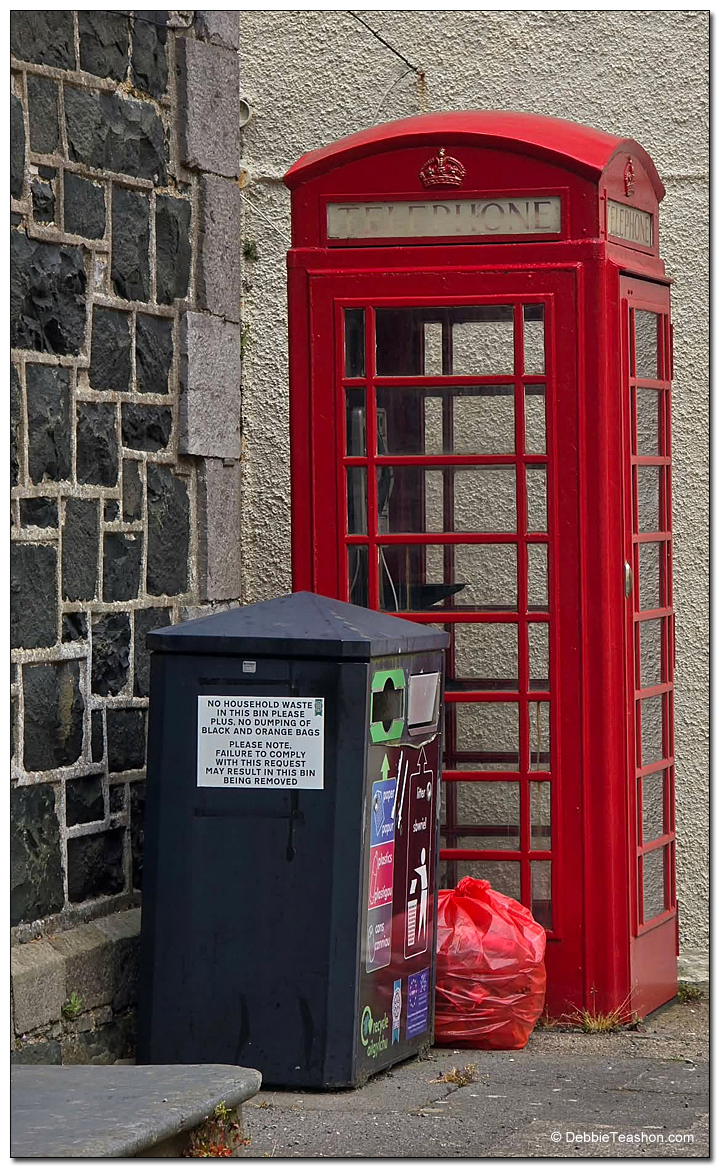
I stopped to admire the Church. It looked old, but it was built in 1902 as a Calvinist Methodist Church. It fits the area’s architecture. It became the Mission Church of St. Nicholas. Converted in 1904 to a private dwelling, it still looks like a church. The blue door really caught my eye, along with an old-style, red phone booth on the corner of the building.
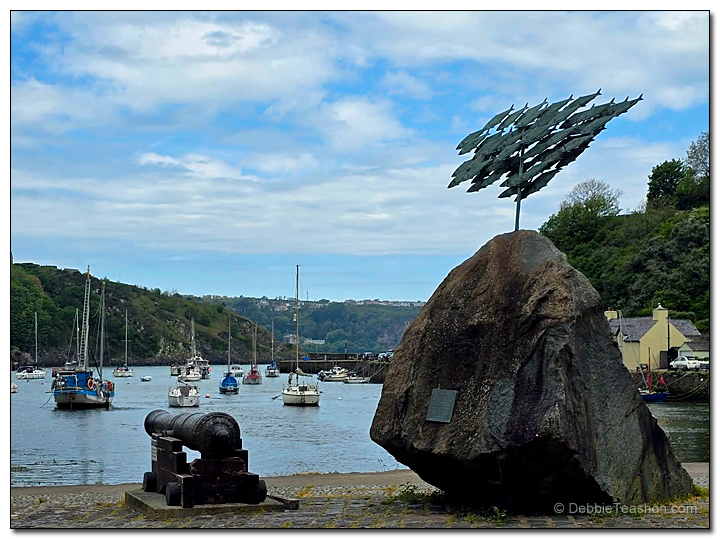
While photographing a cannon aimed at the harbour, I noticed the 25-ton boulder topped with a bronze sculpture of a shoal of herring, where the River Gwaun ends and the harbour begins. Artist John Cleal completed the sculpture, and the town installed it in 2006.
A plaque on the big boulder is written in both Welsh and English. The English part reads:
FISHGUARD HERRINGS
This sculpture reflects
the historic herring
industry of Lower Town.
In my last installment, I mentioned the Welsh name for Fishguard: Abergwaun. Later, I came across the etymology that Fishguard is derived from the Old Norse Fiskigarðr, which means ‘fish-catching enclosure.’ Confusing, yes? Would you call that a red herring? Without doing a deeper dive, it seems like Fishguard came first, which doesn’t make sense to me. Whichever came first, I still prefer the name Abergwaun; it is a Welsh town after all.
I couldn’t leave it at that, so I did more searching to find the first name. Turns out Abergwaun is its first name. Fishguard is the anglicized version of Fiskigarðr, which came much later.
Another aside, let’s get back to my story.
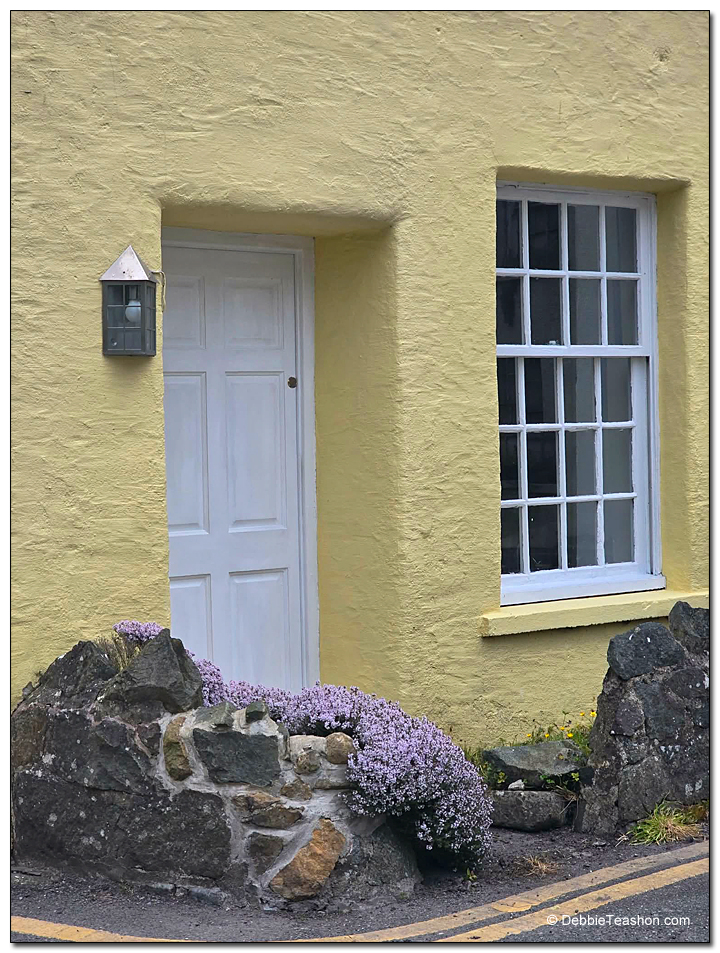
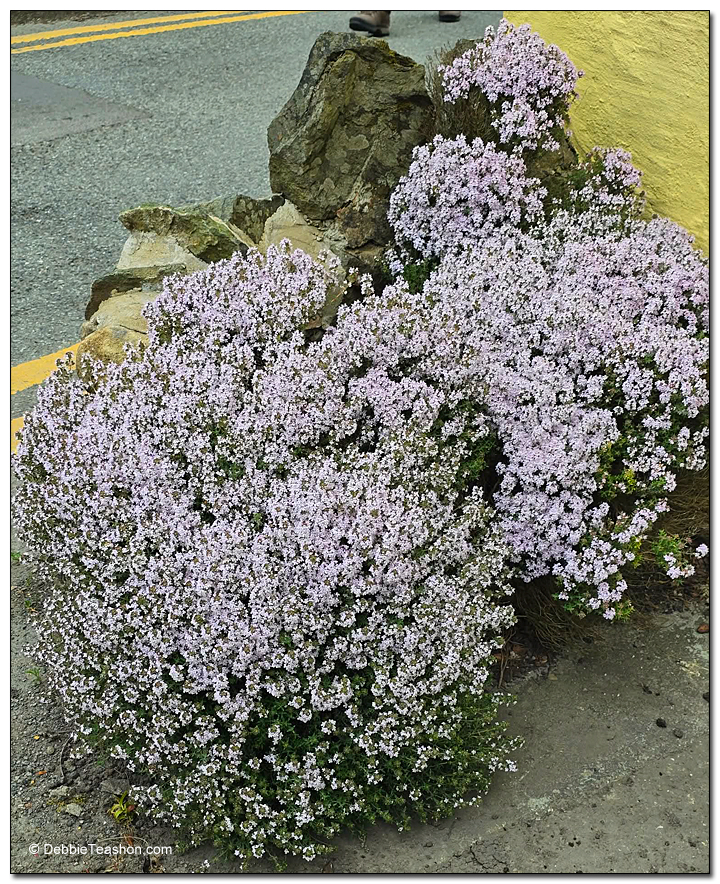
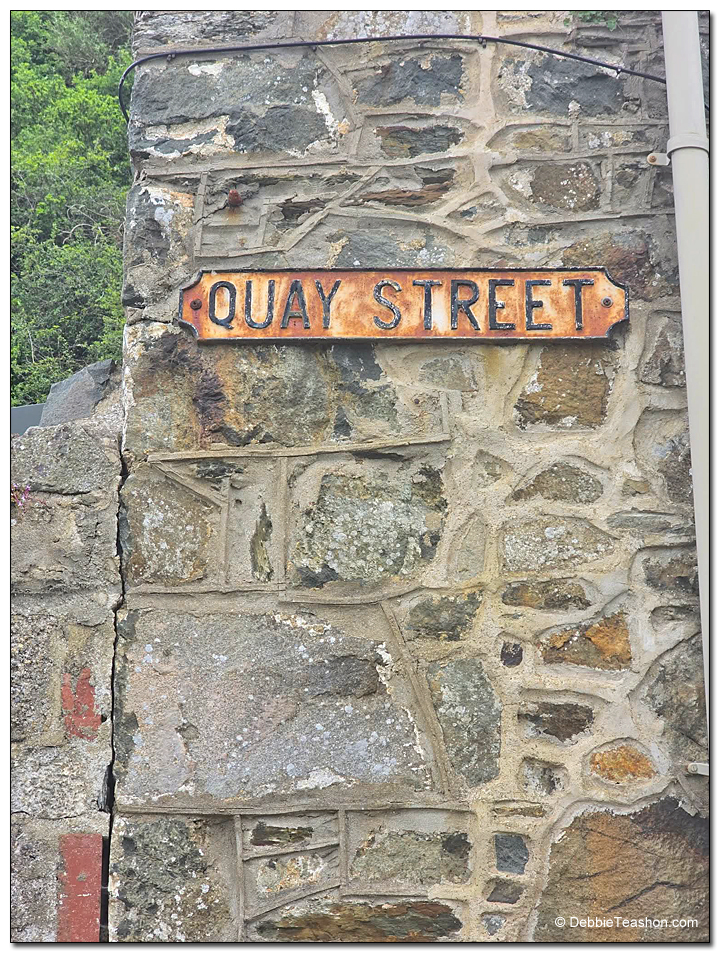
When I reached Quay Street, I felt more at ease. This road runs parallel to the harbour and had no traffic. Yesterday the bus dropped me off right in front of a yellow house, so I made a mental note to catch it there when I head uptown tomorrow. Today, though, I wanted to walk the harbour and enjoy lunch and my usual chai latte at the Yacht Club Cafe. This neighborhood had more gardens and quaint row houses.
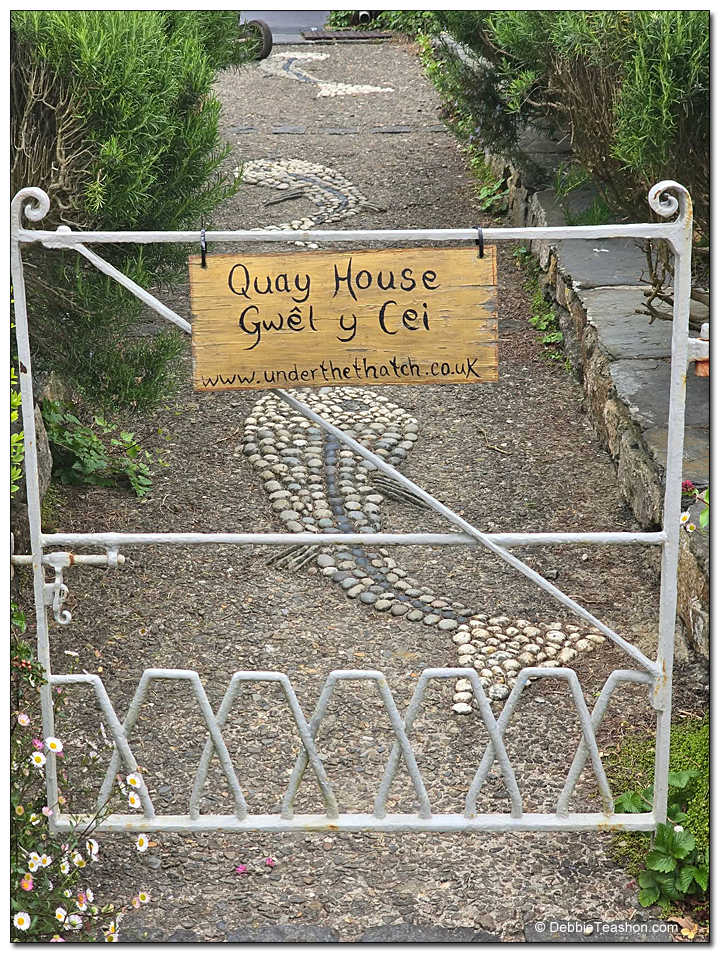
I found the Quay House and couldn’t resist photographing the garden and the house. The mosaic walkway made me want to open the gate and enter the garden. Of course, I resisted the temptation; instead, I photographed it. Later that day, I learned the home was an Airbnb. With its harbour view and garden, it would be a great place to stay.
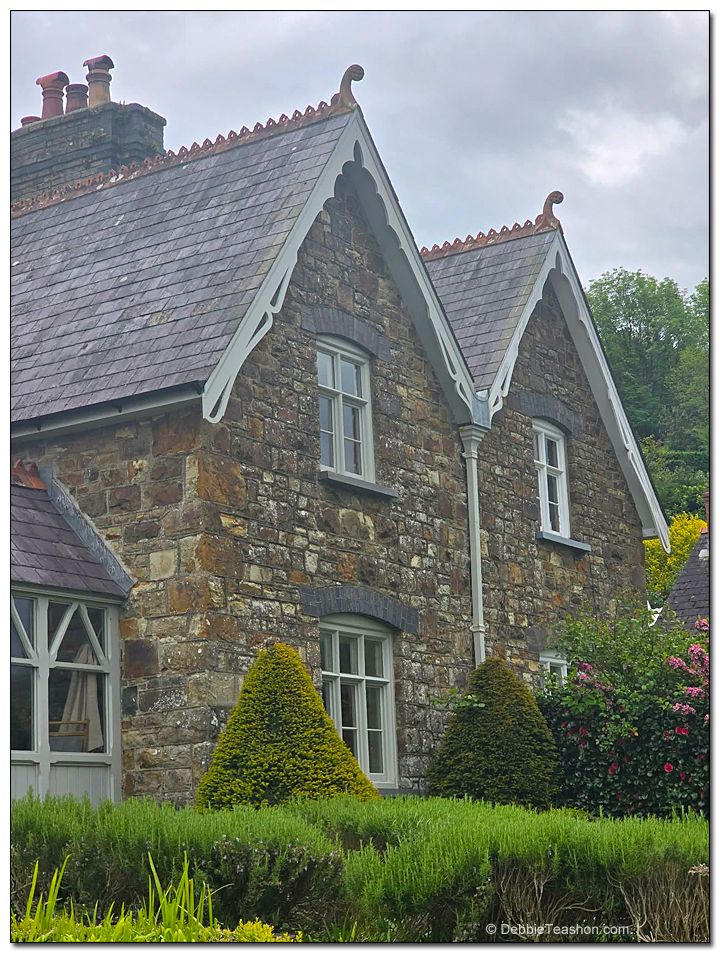
Back home, I learned the house was used during the filming of “Under Milk Wood” (original story written by Dylan Thomas), starring Richard Burton, Elizabeth Taylor, and Peter O’Toole. The Quay house came up early on in the film. I started writing more about the film, but have moved it to another essay as it was making this too long. Plus, I wanted to talk a little about Dylan Thomas. I’ll write more later in another post.
I’m not writing this story in order, or all together, as I interrupt with other events, or shiny objects. If you wish to follow just the travel story, click on the “Europe 2026” category below to connect to this journey of Iceland, Ireland, and Wales.
I would love to see your comments!